

Forest and Nature Schools: Children lead the action outdoors

In Denmark, around 10% of preschools and kindergartens spend a significant part of their day outdoors, treating nature as a space for children’s holistic development. Children lead the action; educators follow their interests and extend their explorations.
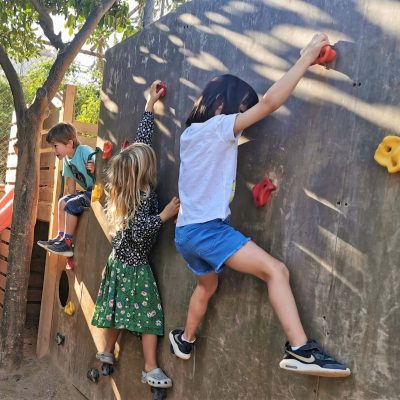
At Paixnidagogeio, our outdoor spaces are natural by design, and we make regular visits to the forest. Children lead the action outdoors, while educators support their interests, explorations, and chosen challenges.
In Primary School, nature is used not only for free exploration but also for structured activities in maths, language, and history.

Reggio Emilia: Children are heard even when they are silent

The Reggio Emilia approach in Italy is built on several principles:
- The child as a capable member of the community
• Educators as partners in learning, who observe, provoke ideas, and extend children’s thinking
• The atelier as a space where ideas are born, shaped, and expressed
• Teaching and learning as a shared process based on mutual respect and interaction
• Parents as partners
• The environment as a “third teacher”
At Paixnidagogeio, relationships are at the heart of learning.
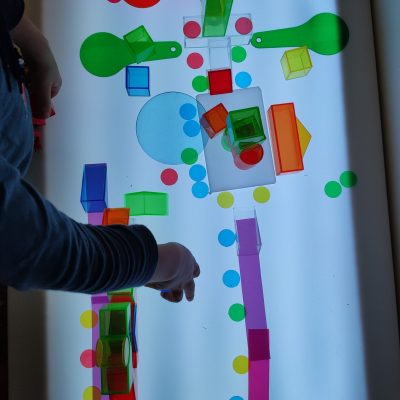
We work with the “hundred languages” of children, and the atelier is where ideas take form and grow. Materials, tools for expression, and the freedom to participate in small or large groups shape our everyday life.
Our spaces bring together architecture and pedagogy and support a spiral learning process among educators, children, and parents.
Australia: A holistic approach to Physical Education

Australia was one of the first countries to shift the school subject from “Gymnastics” to “Physical Education,” integrating mindfulness, breathing, and self-regulation.
At Paixnidagogeio, movement threads through the entire day.
In Primary School, individual challenges, team games, and sport help children develop physical and social skills.
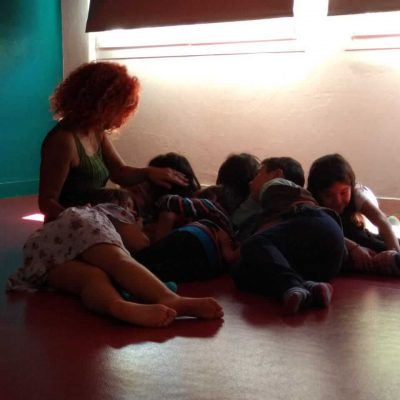
Through our “Breathing and Self-Regulation” programme and “Physical Expression,” children learn to listen to their bodies, understand how breathing supports calmness, and sharpen their senses.
UNESCO and OECD: Skills for the 21st Century

In a fast-changing world, UNESCO and the OECD highlight the need for schools to focus not only on literacy and numeracy but also on essential life skills such as:
- Critical and analytical thinking
• Problem-solving
• Creativity
• Collaboration
• Communication
• Flexibility and adaptability
At Paixnidagogeio, alongside the Ministry curriculum, we run a parallel “curriculum of skills” woven into circles, group work, forest days, research projects, cooking, and the way we approach language, maths, and history.

Finnish Primary Schools: Time to play and time to rest

Finnish schools are known for valuing play. It is central in kindergarten and continues into primary school through classroom play breaks and longer recess periods.
At Paixnidagogeio, children have time and space for free play, and structured play is integrated into learning. Breaks throughout the day allow children to process knowledge, move, and socialise.
New Zealand: Family and community as part of the school’s “woven mat”

The Te Whāriki curriculum views education as a woven mat, built from strands of empowerment, holistic development, relationships, family, and community.
At Paixnidagogeio, educators, administration, support staff, and mental-health specialists work as one team to create this learning “fabric.”
Relationships among children, families, and school staff are the basis of our community.
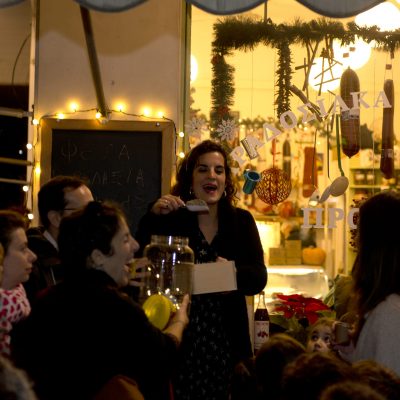
Parents participate actively through workshops, play festivals, parent groups, classroom contributions, and community events that extend into the neighbourhood.
Ken Robinson: Traditional systems suppress creativity

The British educational thinker argued that mass schooling is outdated and does not support real learning. He believed schools should offer broad curricula that nurture curiosity and awaken creativity.
At Paixnidagogeio, from age 2 to 12, children constantly express creativity through open-ended materials, individual and group explorations, the atelier, outdoor learning, research projects, theatre, music, and the life of the school. Creativity becomes a daily habit—not just an artistic one.
Lev Vygotsky: The Zone of Proximal Development

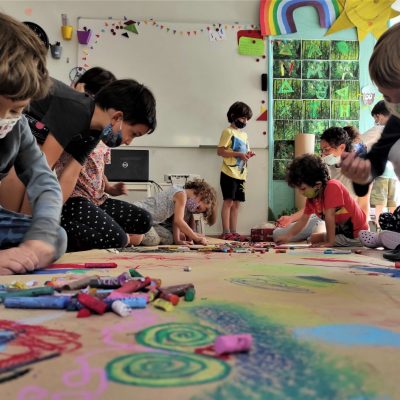
Vygotsky’s “Zone of Proximal Development” is the space between what a child can do alone and what they can do with support. Learning, he argued, grows through interaction in a community.
At Paixnidagogeio, we observe each child in everything: tying laces, climbing, maths, emotional regulation. We identify each child’s zone and offer the right level of support. We also create group conditions where children discuss, explore, and co-construct knowledge.
Jerome Bruner: Learning through discovery

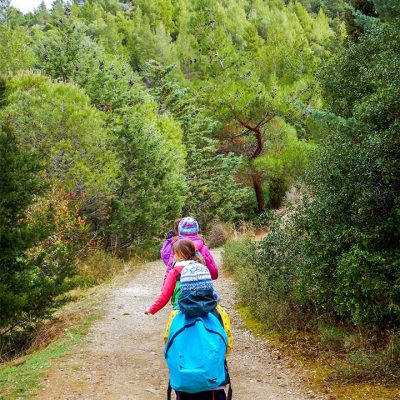
Bruner believed children learn best when they build new knowledge through experimentation, imagination, and hands-on exploration. At Paixnidagogeio, inquiry and discovery begin early.
Young children receive materials and situations that invite experimentation.
Older children take the lead in exploring their questions.
In Primary School, discovery-based learning is central in maths, science, music, and art.

John Dewey: Students at the centre, learning through experience

Dewey argued that learning should be centred on students’ interests and lived experiences.
At Paixnidagogeio, children’s interests often shape how we approach the curriculum. Projects emerge from their curiosity, offering opportunities for research, collaboration, problem-solving, and real-world applications.

Urie Bronfenbrenner: Children grow within systems of relationships

Bronfenbrenner’s “Bioecological Systems” theory describes how a child’s development is shaped by the surrounding systems—from family and school to wider social structures.
At Paixnidagogeio, we view each child together with the systems that influence them.
Parents are therefore essential partners in every child’s development.
Peter Gray: Play as an evolutionary need

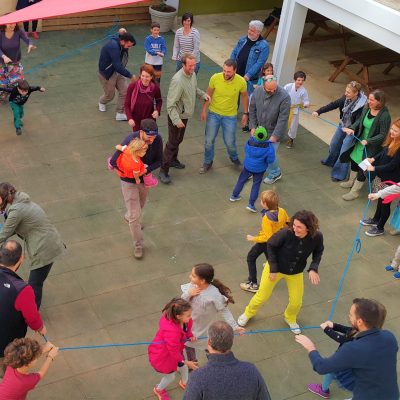
Gray emphasises the evolutionary necessity of free, self-directed play.
Through play, children process movement, language, emotions, and social interactions.
At Paixnidagogeio, children have time for play indoors, in the garden, and in nature—both freely chosen and adult-supported.
As our parents say: “At Paixnidagogeio, everything begins with play.”
